
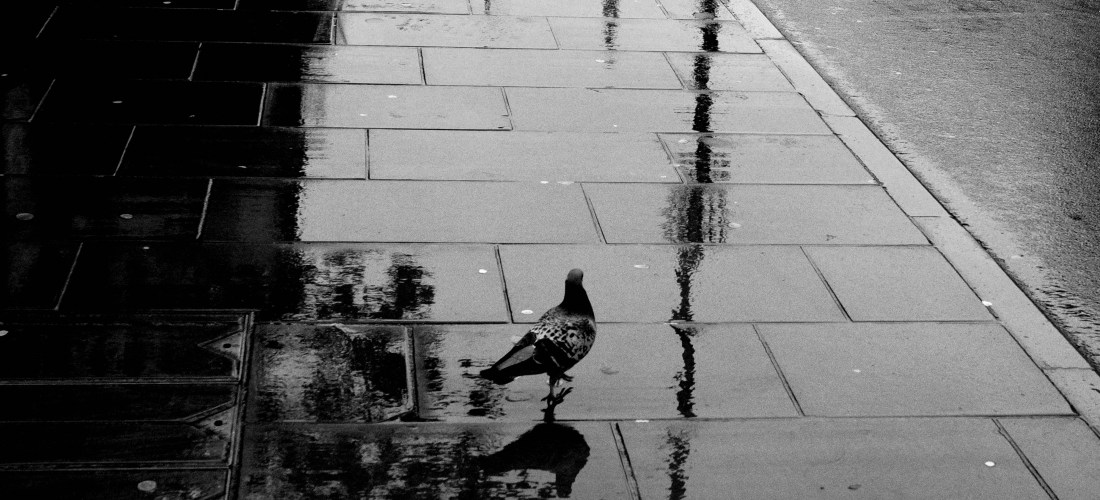
There are multiple factors needed in a photograph to make it work. Composition, the arrangement of the elements in the frame to create a pleasing balance for the eye. Light, the heart of every photograph and often the one thing that brings life to the end result. Light plays a part in composition along with good colour combinations if not shooting in black and white. Experience and time teach you these 2 main factors, often resulting in many failures and of the course the occasional success.
Then there is the more technical side, the settings. As a beginner these can be daunting and lead to a large percentage of moments lost. All is not lost though as cameras these day give you options to shoot in semi or fully automatic mode. They can choose aperture, shutter speed and ISO. Once you’re out of that beginner period, you then move on to shoot in fully manual mode and considered experienced, almost pro like in fact, right? Wrong.
Moving on to how we shoot and getting closer to the point of this post. Since I moved to a mirrorless camera, the Canon R6 in 2020, the use of a tripod for photography is now very infrequent. I’ve found that handheld gives me much more freedom, movement and allows me to move quicker whether it be on the fells or in an urban environment. In Body Image Stabilisation clearly helps the process, allowing me to shoot using a slower shutter speed and limiting camera shake. I definitely find more pleasure in the whole process these days.
Shooting in RAW format will record the most detail on the memory card to then allow you to extract all that information into your digital processing workflow. Processing digital images is an important part of photography, allowing you to create that vision that you hoped for when first taking the photograph. RAW will give you that extra flexibility and insurance. This does not mean however that saving files as JPEGs have become redundant.
So what is my point here. Lets put all what we have mentioned in terms of what and how we shoot and combine it into one simple method. To the purest this will be nonsense and against everything that has been learnt and the foundations that have been built over the years of the photography journey. Firstly, you need the right tools, your choice of camera.
In 2023, I bought a camera that has changed my mindset of how and what I shoot. The Ricoh GRiii is a little pocket camera with lots on offer. The size is key, it literally fits inside my pocket and allows me to carry it in my hand with a strap wrapped around my wrist of course. It has built in image stabilisation which often allows me the full range of shutter speeds needed for the environments I choose to shoot in. The image quality is excellent backed up with a fixed lens giving excellent sharpness. In addition to that the camera produces some very good JPEGs without the need to shoot in RAW. Below are some images taken from the gallery, all straight out of camera;
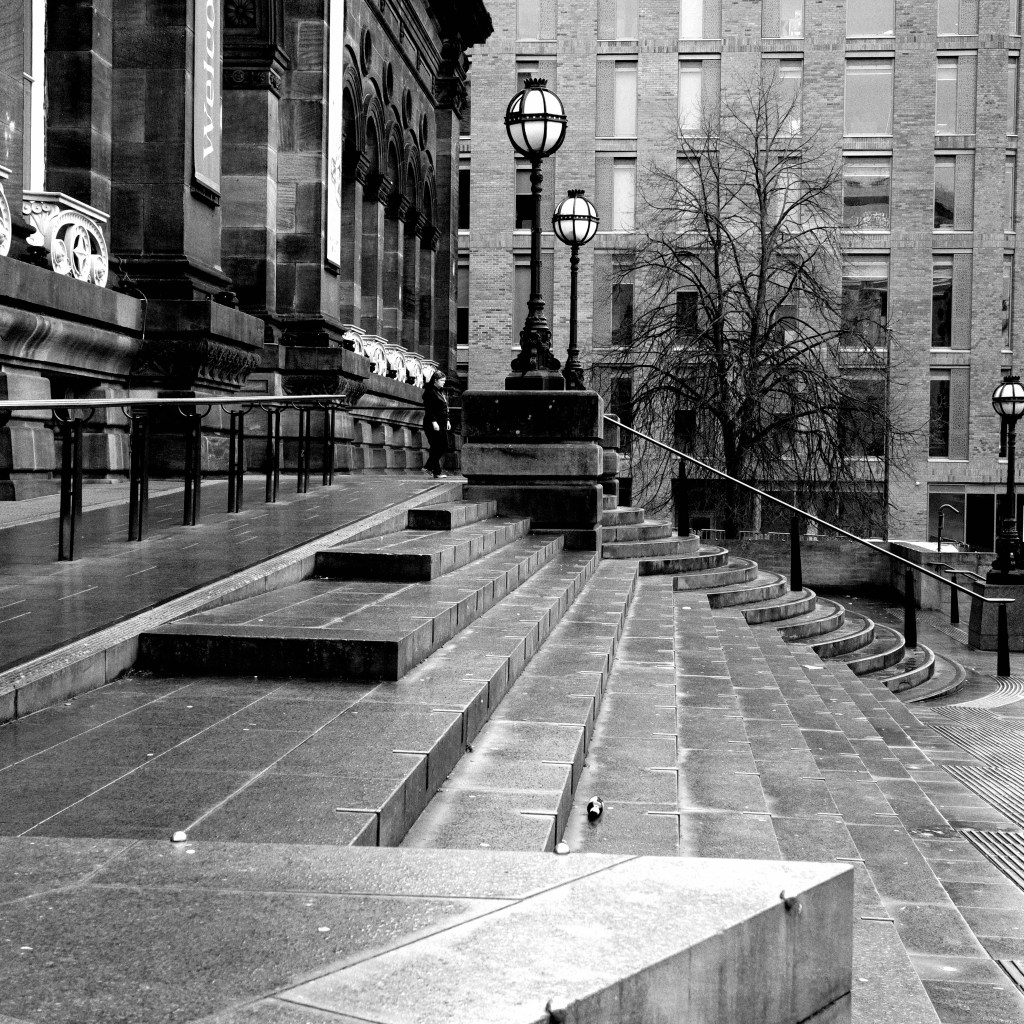
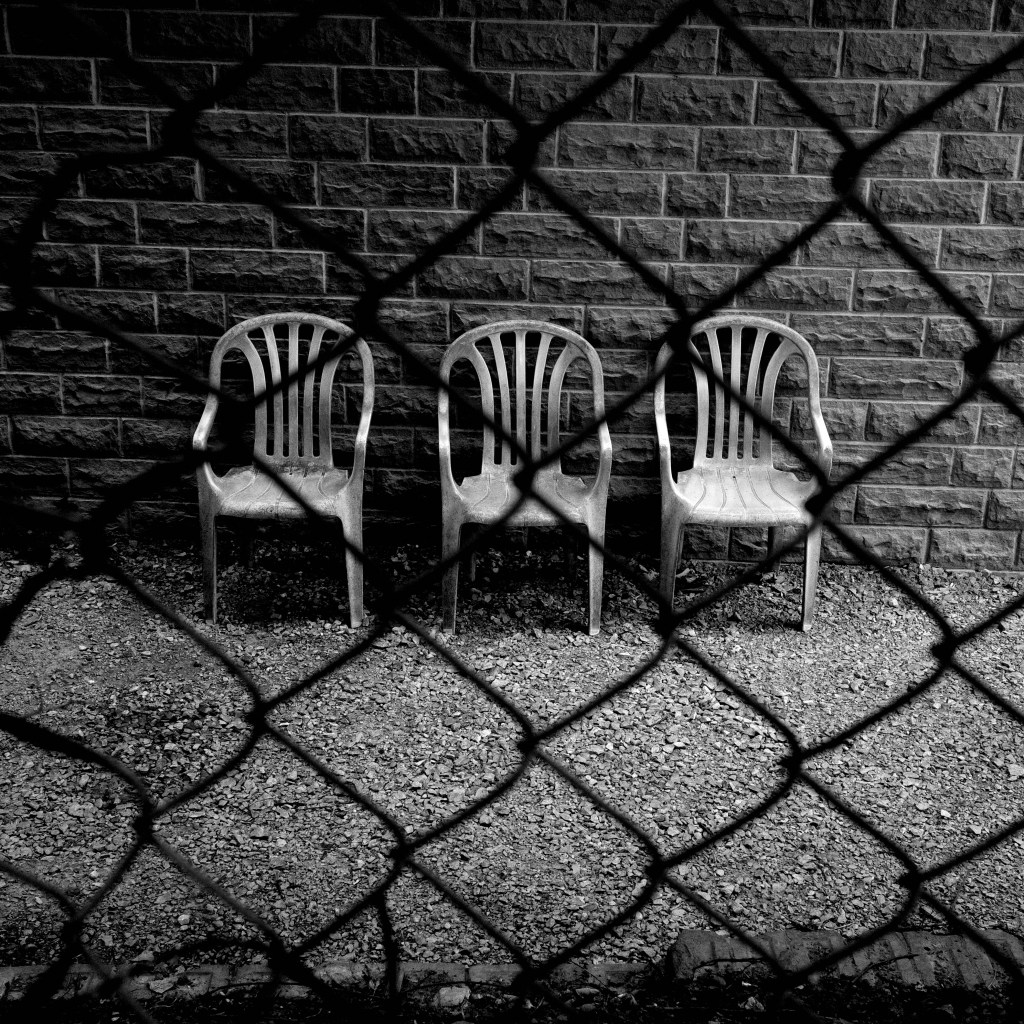
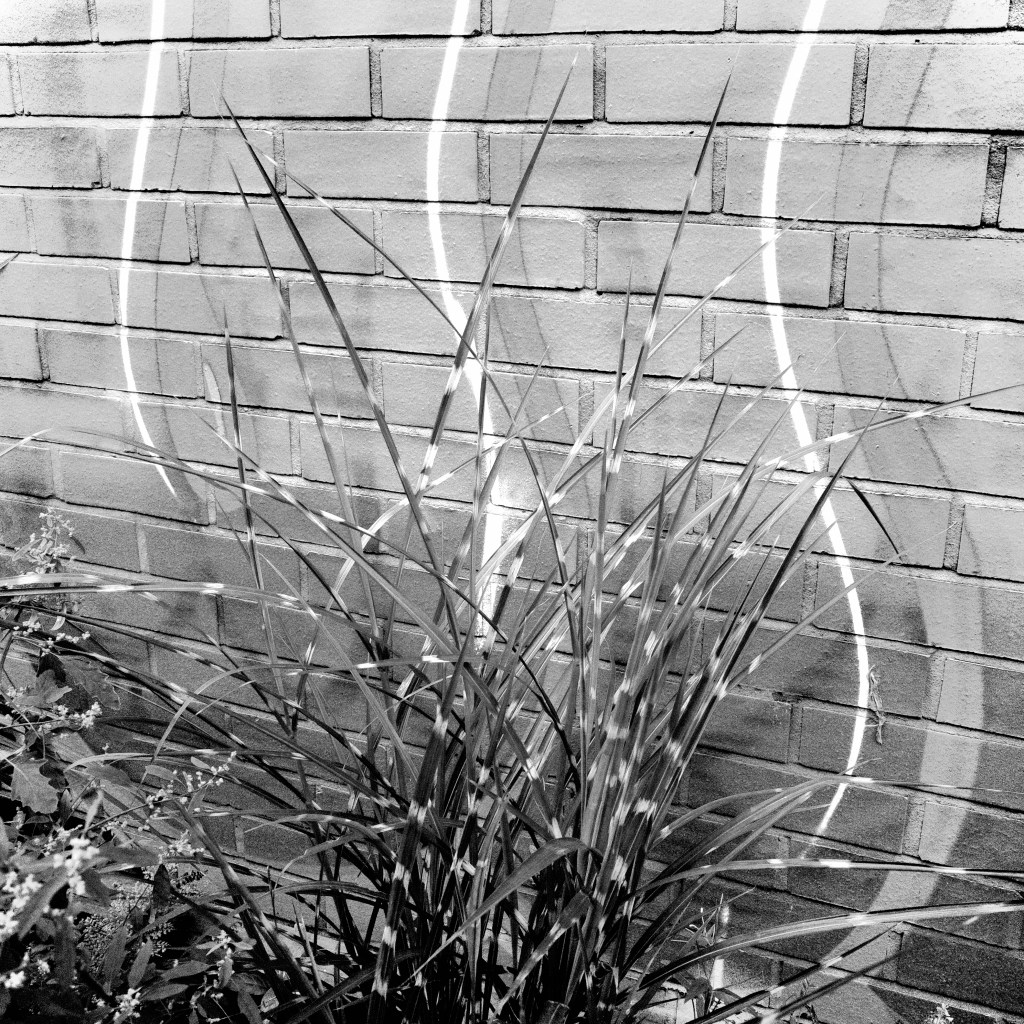
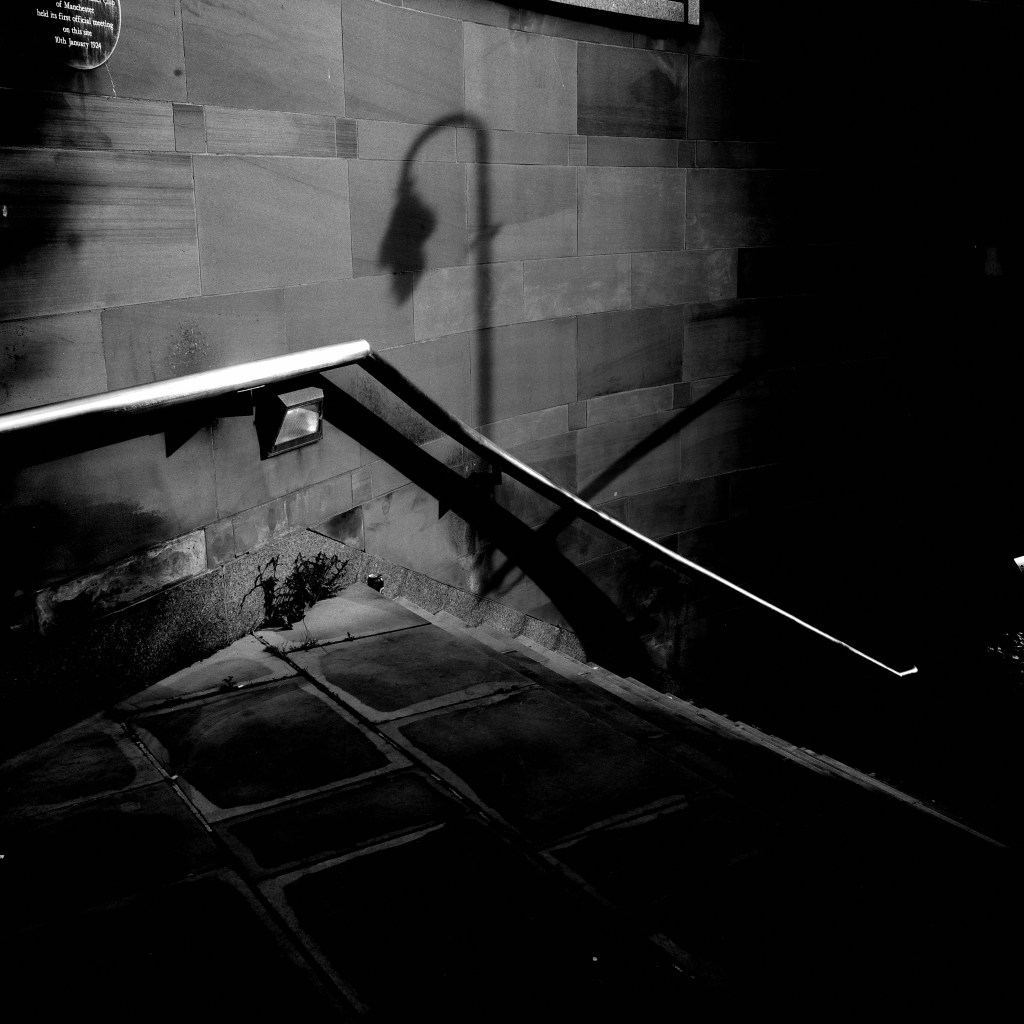
This simple process is probably and more commonly know as ‘taking snaps’. I combine the quick ‘snap’ process with the eye I have created over the years. I believe I have a fairly natural instinct to recognise a good photo opportunity. This is not my go to approach at all and when I am away from the urban scene, I do take a more ‘traditional’ approach with my Canon R6, taking that little extra time with composing and occasionally waiting for the optimum moment. When i’m ‘taking snaps’ the GRiii is set to JPEG saving format using a high contrast black and white recipe. The results can be seen in my 1:1 B&W Gallery.
I also choose to crop the images as the name suggest to a square 1:1 aspect ratio. One other excellent feature is ‘snap focusing’ which allows the user to set a defined range from what is considered acceptable focus, in other words ‘zone focusing’. This allows me to shoot images that are acceptably sharp from around 3 metre’s to infinitely. There is no view finder on the camera so all composing is done from the back of the LCD screen.
The method and approach I use here gives me the freedom, liberty and spontaneity to look around the urban/semi urban environment. I use my arm as an extension, using the LCD screen only and shooting what I feel is an opportunity. It is only at the end of the shoot where I review my findings. The success rate is low but that also applies to the ‘traditional’ landscape photography approach. I feel as photographers we must limit restrictions and obstacles in our shoots. Although not to everyone’s taste, personally it has given me that option to just go out and take photographs with the hope that some may be worthy to share.
 James R Burns Photography