Snapshots

Blog

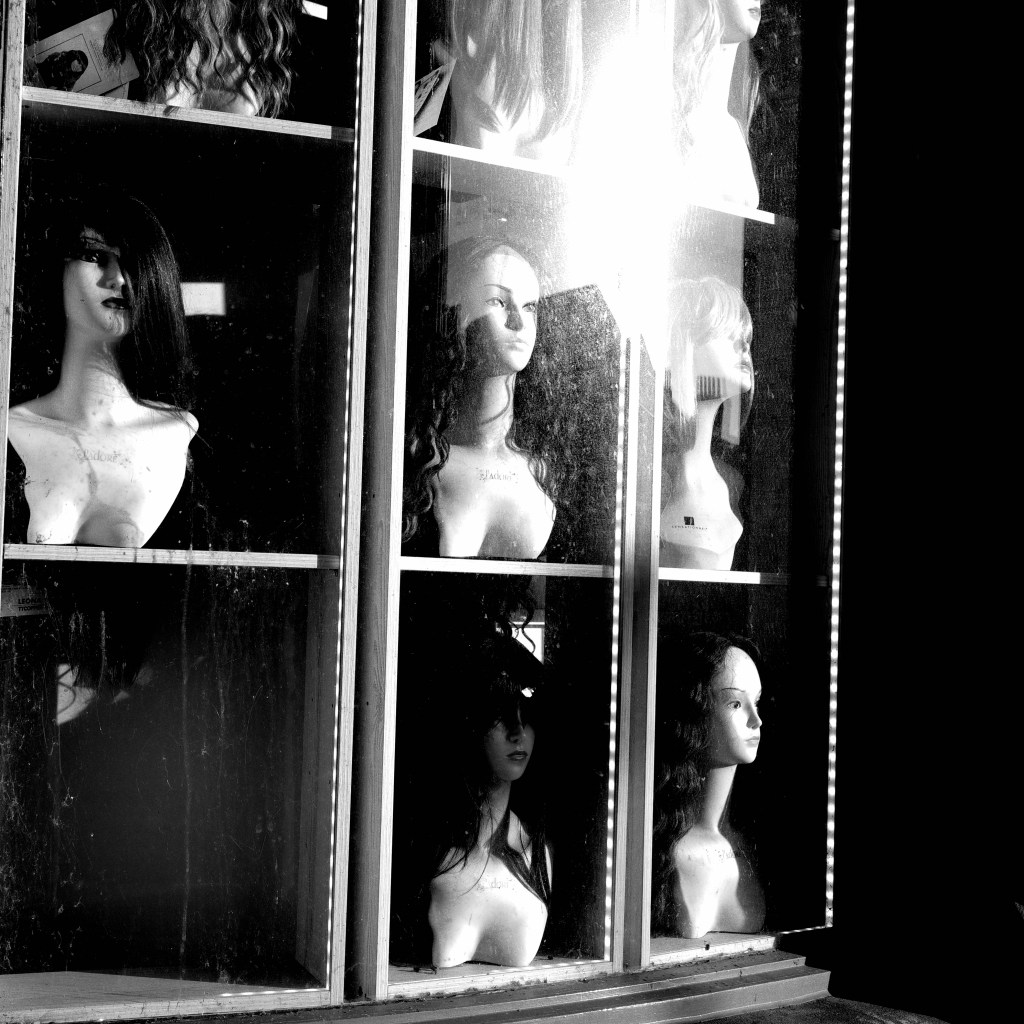
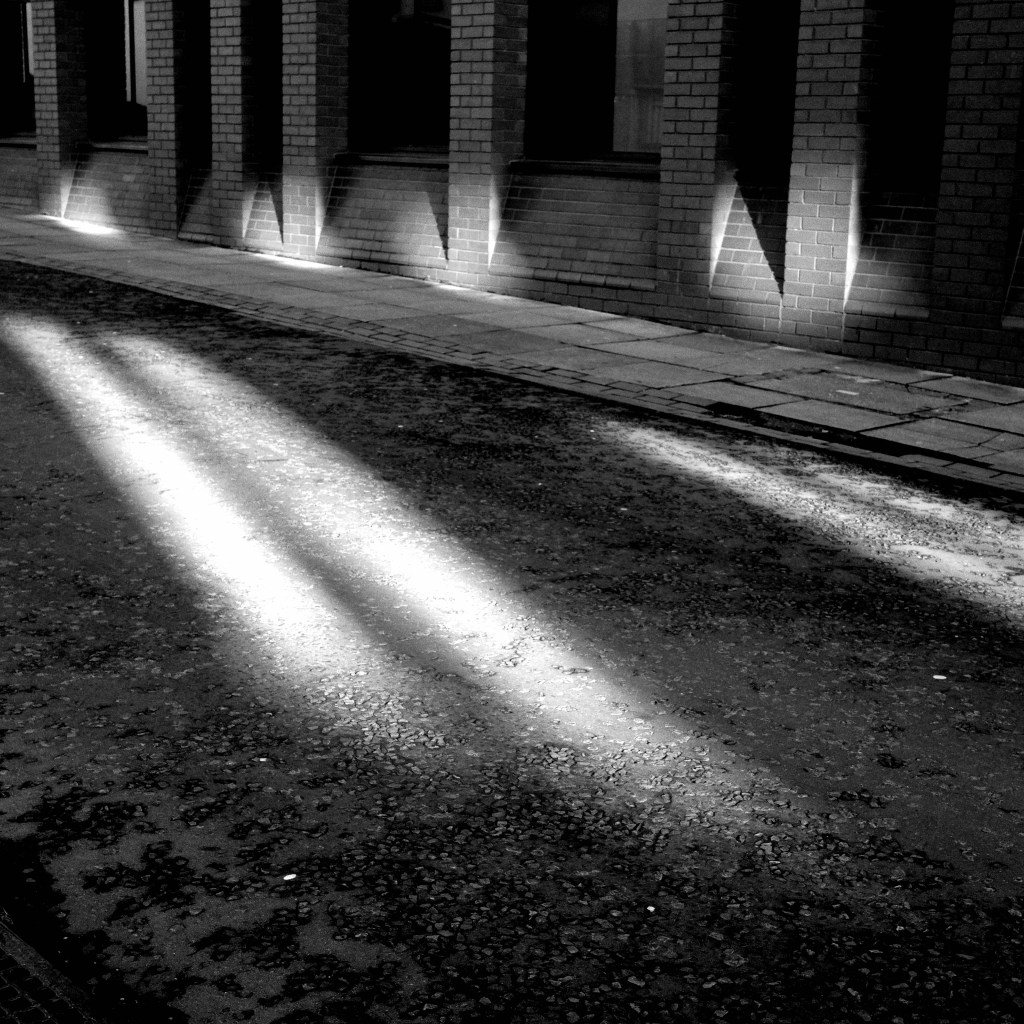
I remember a time when a photograph that wasn’t the result of some careful planning and fine tuning, was considered a snapshot. A snapshot was a photograph taken from someone with limited photographic experience and no consideration for composition. A quick press of the button, a record shot, an instant moment captured. As my photography continues, I find I am shooting more and more snapshots. Does this mean my photography standard is dropping?

Experience is key and the more and more I shoot, I gain a better understanding of what I feel works. A good eye is a term often used and I believe this either comes naturally or with time. Taking snapshots however for me is not a practice to further improve my photography but to document what I see. A moment captured as I’ve mentioned already but over time the ‘snapshots’ become something viable.

In the digital age, it’s an affordable past time to take multiple shots. No longer is the expense of film limiting the number of shots we take. We have the luxury of shooting as many images as possible and then sorting out the good from the bad and the better from the good. With this is mind, we are at liberty to raise the camera and take whatever catches our eye. Whatever triggered that moment that was appealing, simply take the shot.

The choice of the right equipment is key of course. For me, this is the Ricoh GRiii due to his compact, pocketable size and ability to be customised to my needs. Semi automatic settings with a fast shutter speed, using high contrast black and white jpegs. This gives me quick, accessible images which are then easy to share and make my workflow simple.

In the opening paragraph I questioned if this approach to photography was having a negative impact on photography. The simple answer is no. I still recognise those moments that will lead to a better photograph. Those occasional times where the elements fall into place. Using the snapshot method also sets me up for those chances that may or may not come around. I am ready to capture that moment. It is key that the most enjoyable practice of photography is chosen.
When the sun shines

Blog

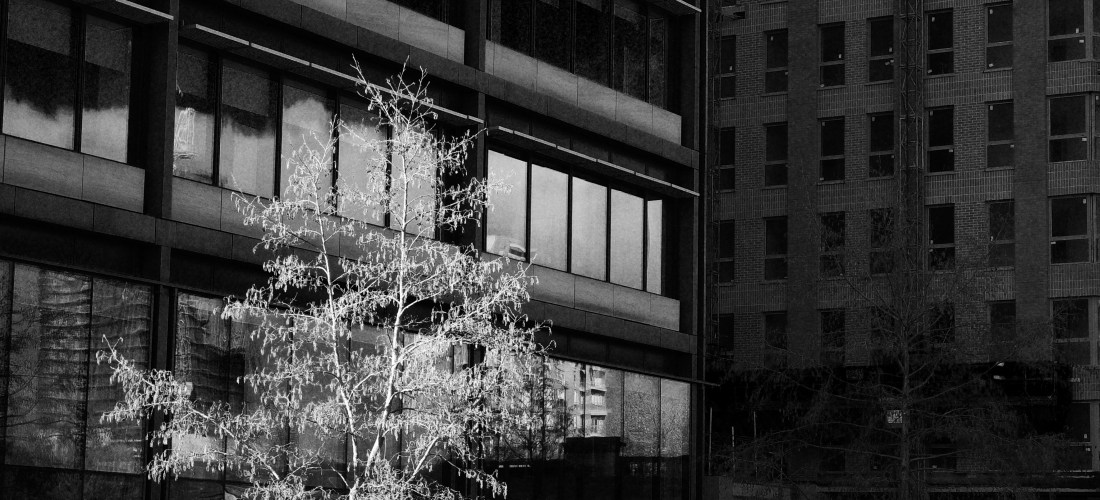
‘The light is too harsh’ is a phrase that is often used when the sun is out and casting it’s light on the scene that result in ‘losing detail’ and ‘burning out the highlights’ An excuse to put the camera away. I’ve heard this phrase on many occasions when watching landscape photography YouTube channels. It’s an understandable statement as in the majority of landscape photographs, too much contrast kills the mood and the appeal. On the other hand however, when the sun shines in the city it’s a different story.

‘Its all about the light’ is also a common line used and arguably this statement is very true when it comes to taking your photography to the next level. It’s important however to use that light on offer effectively, alongside a well composed shot. I’m digressing slightly into a different topic here. When the sun shines and the shadows are cast, I head for a more urban environment when the harsh light and shadows open up an abundance of opportunities.

The city and urban environments can be quite a daunting place to be for some. For the traditional landscape photographer, being alone and at peace is for most an essential ingredient. Landscape Photography is where my roots lie in the art, starting in 2007 and heading out to the Yorkshire Dales and Lake District. The pace is slow and allows for time to reflect. In the city on the other hand, the world seems to speed up, people are in abundance and the crowds seem to want to push you along. For me, the transition between these two genres has become easier and I have adapted over time.

The city holds a wealth of photographic opportunities when the sun shines. Buildings, walls, signs and people create the shadows that become an important element in the frame. I am always on the move. This is because I want to move along with the pace which allows me to blend in. The environment is constantly changing. Whilst the Earth rotates around the sun, the light and shadows also move and create different angles. What the morning brings is often not the same as an Afternoon.

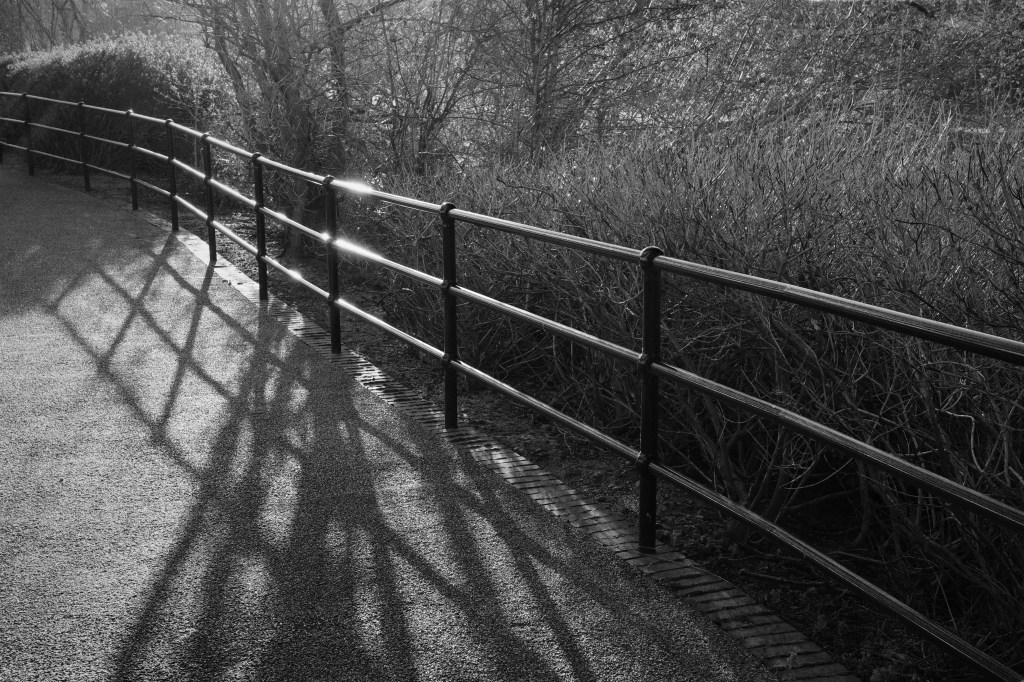
Shooting black and white, which is usually my choice of photography in an urban environment, focuses on contrast. Shadows form patterns ,shapes and become 2 dimensional. Angles can be hard from man made structures and give a good contrast to the rounded shapes of a passing pedestrian. Diagonal lines on a concrete path which would not be present without the sun. A strangers face in the spotlight as they pass through a narrow band of light. Opportunities are in abundance.

I am a great believer that there are no bad days for photography. Harsh light should not be an excuse to put the camera away but an invitation to enter the city and explore what this fast moving landscape has to offer.